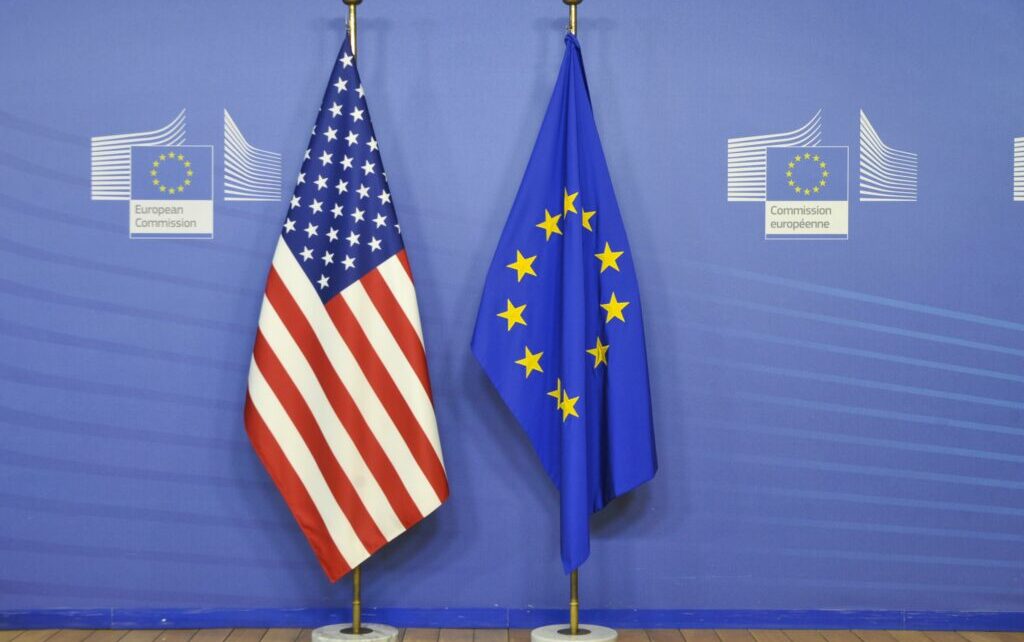
The initiative between the European Union (EU) and the United States (US) puts into action a central component of the framework agreement that both economic entities agreed upon in July 2025. This decision by Brussels aims to ease trade tensions, and analysts suggest it will prevent further escalation from Washington, which had been threatening to impose significantly higher punitive tariffs on European products, as reported by Reuters.
This preliminary agreement strengthens the trade package negotiated in the middle of last year. The July 2025 agreement had already set a maximum cap of 15% on tariffs for the majority of European exports to the US market, effectively blocking Washington’s initial plan to impose 30% tariffs, which would have been far more damaging to the EU’s economy.
By mutually removing the remaining tariffs on industrial products from the US, the European Union ensures the predictability of trade exchanges and protects the key export sectors of its member states in relation to its American partner.
The provisional agreement reinforces the security of transatlantic supply chains during a period of global economic uncertainty, providing companies in both regions with a stable fiscal framework and eliminating the risk of a direct trade war between the EU and the US.
The legislative text agreed upon on Wednesday will undergo formal approval and ratification processes within European institutions before it officially comes into effect.
Împotriva articolelor redacției noastre, persoanele nemulțumite pot formula Contestație în termen de 10 zile de la publicarea articolului, la judecătoria Orășenească nr. 1 München Bayern Deutschland, in conformitate cu Legea federală Germană. Considerăm că nu se pot formula acțiuni la instanțele din România deoarece nici o persoană care activează în trustul nostru nu poate fi extrasă de sub jurisdicția federală germană. Considerăm că redacția noastră nu răspunde în fața autorităților din România ci doar celor federale sau civile germane. deoarece legea română nu are efecte de extraneitate asupra redacției chiar dacă subiectul știrilor face obiectul unor evenimente sau persoane din România și sunt scrise în limba română. Limba română nu este izvor de extraneitate a legii.