A recent report from the New Economics Foundation, commissioned by the European organization Transport & Environment (T&E), has highlighted the hidden pressures that rapid growth in air travel tourism places on the real estate markets across various European countries. The analysis reveals a correlation between the increased influx of tourists arriving by plane and the rising housing prices and rents from 2019 to 2025.
Spain: The Most Affected Country
The study identifies Spain as the country experiencing the most pronounced effects. Over the past seven years, the number of tourists arriving by air has surged by 12.8%, which is linked to an average increase of approximately 3,800 euros in property prices and a 236 euro hike in average rents, translating to a 1.7% increase. The report predicts that if this trend continues, rents in Spain could rise by an additional 217 euros by 2031 due solely to this factor.
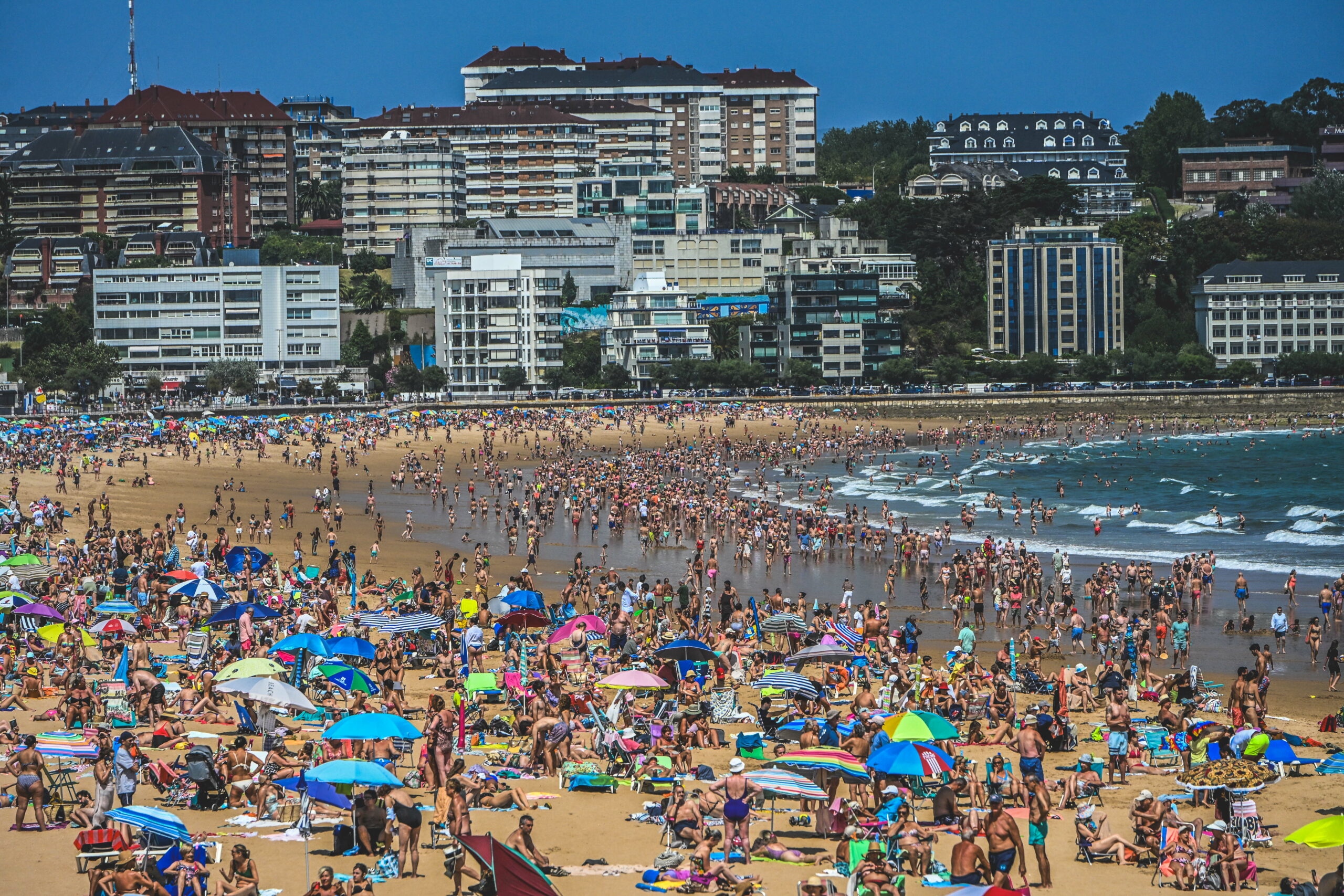
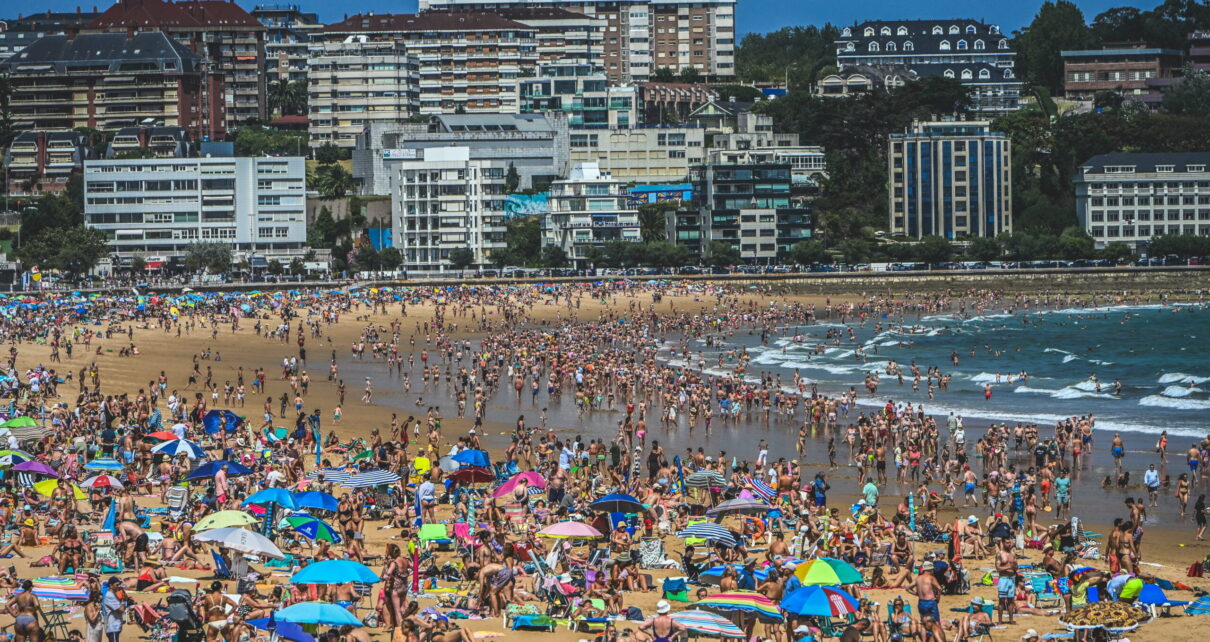
Spain: Tourism in Santander. Photo source: Nacho Cubero/Contacto via ZUMA Press
However, the authors point out that the impact varies significantly from one region to another, depending on the intensity of tourism. Major tourist destinations are far more affected than areas with lower visitor traffic.
Tourism: Not the Sole Culprit
The research clarifies that the boom in air tourism does not solely account for the housing crisis. The report echoes the findings of the Bank of Spain, noting that around 400,000 homes are allocated for tourist or seasonal rentals, and approximately 50,000 properties are purchased annually as second homes by either Spanish citizens or foreign buyers. Other contributing factors include a housing shortage, bureaucratic hurdles, complex regulations, inadequate urban planning, and a labor shortage in the construction sector, all driving price increases.
More Tourists, Higher Emissions
The report also highlights environmental concerns. By 2025, aviation emissions in Spain and Italy are expected to exceed the 2019 levels, being 14% and 10% higher than pre-pandemic figures, respectively. Meanwhile, Madrid-Barajas and Barcelona-El Prat airports are projected to surpass Schiphol Airport in Amsterdam in terms of tourist numbers. Data shows that in the Balearic Islands, there are, on average, 9.2 tourists per resident, 4.9 tourists in the Canary Islands, and about two tourists for every resident in Catalonia, compared to the European average of 0.9.
Tourism Doesn’t Automatically Increase Wages
The study warns that the growth in tourism has not mirrored increases in wages for industry workers. In 2023, the hospitality sector accounted for 10% of all hours worked in Spain but only contributed to 5% of the gross value added to the economy, indicating low productivity. Additionally, real wages have slightly decreased between 2008 and 2024, despite the continuous rise in foreign tourists and the increase in the minimum wage.
Împotriva articolelor redacției noastre, persoanele nemulțumite pot formula Contestație în termen de 10 zile de la publicarea articolului, la judecătoria Orășenească nr. 1 München Bayern Deutschland, in conformitate cu Legea federală Germană. Considerăm că nu se pot formula acțiuni la instanțele din România deoarece nici o persoană care activează în trustul nostru nu poate fi extrasă de sub jurisdicția federală germană. Considerăm că redacția noastră nu răspunde în fața autorităților din România ci doar celor federale sau civile germane. deoarece legea română nu are efecte de extraneitate asupra redacției chiar dacă subiectul știrilor face obiectul unor evenimente sau persoane din România și sunt scrise în limba română. Limba română nu este izvor de extraneitate a legii.