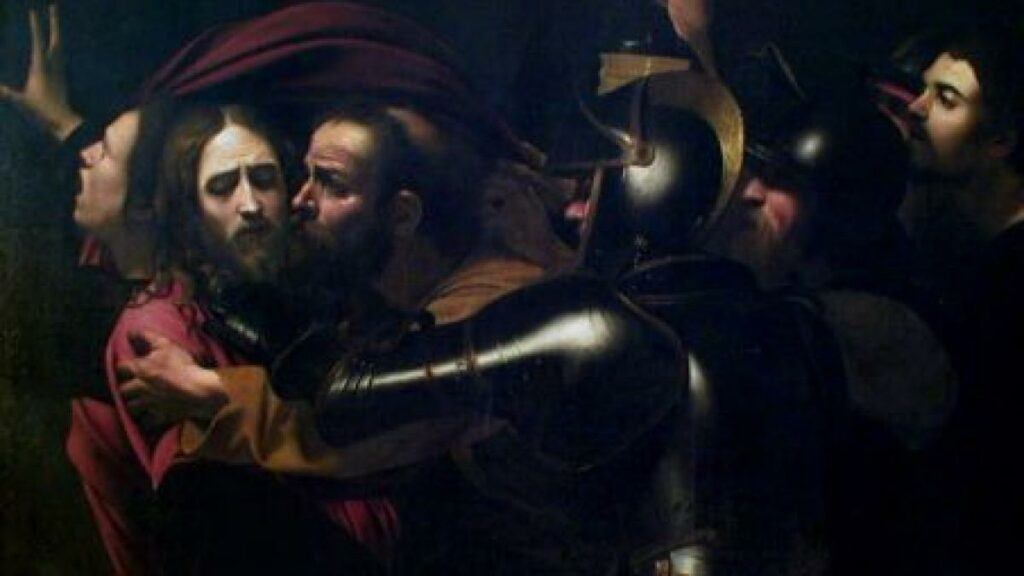
Few gestures can express so much without the need for words. Ranging from a symbol of love that alters destinies to one of blessing, reconciliation, respect, faith, and even betrayal, the kiss has etched itself into human memory for millennia. Quite literally!
Today, we delve deeper into this simple act that narrates a story all on its own.
While it’s challenging to provide archaeological evidence of kissing, it is noteworthy that the earliest explicit references to the act originate from Mesopotamia, detailed on clay tablets inscribed with cuneiform script.
Kissing Documented in Mesopotamian Texts Over 4,500 Years Ago
These texts describe romantic kisses as well as those with religious or social significance.
It was once widely believed that romantic kissing emerged relatively late and from a single region. However, a 2023 study reveals that Mesopotamian texts indicate its existence at least 4,500 years ago.
Intriguingly, the practice did not have a singular origin.
In ancient Egypt, depictions of kissing couples exist, and in India, ancient Sanskrit texts, including references to the Kama Sutra, describe various types of kisses along with their meanings.
Medieval Hindu temples are replete with depictions of couples sharing kisses.
Archaeological Evidence Abounds
In ancient Greece and Rome, kissing was not only practiced but also categorized.
We note the “osculum”—a friendly or respectful kiss, “basium”—an affectionate kiss among family members, and “suavium”—a passionate kiss between lovers.
In Europe, for centuries, the hand kiss was a gesture of respect and courtesy, particularly directed toward women or individuals of high rank.
In some cultures, kissing the hand of an elder or parent remains a sign of gratitude and respect today.
There are tangible archaeological findings such as reliefs, frescoes, statuettes, sculptures, and decorated vases, among others.
Thus, long before Gustav Klimt’s painting “The Kiss,” Constantin Brâncuși’s carved masterpiece, or Francesco Hayez’s elegantly passionate depiction, Mesopotamian scribes were documenting the gesture.
The Most Infamous Kiss in History? The Kiss of Judas
On July 6, World Kiss Day is celebrated as a reminder of the importance of connection and, inevitably, as a necessary departure from clichés.
However, there exists another type of kiss that has left a significant mark.
It is the kiss that forever changed the world, the kiss that shook both heaven and earth—the kiss of Judas. This gesture encapsulates the complexity of human nature—its corruption, downfall, as well as humility and obedience.
Judas transformed the meaning of a kiss from a gesture of affection to one of betrayal. Since then, the expression “Judas kiss” has entered common parlance, signifying any false show of affection hidden behind malevolent intentions.
A Momentary Gesture That Weaves a Tale
Kissing is not a universal gesture. Some communities do not practice kissing and prefer other forms of closeness.
But perhaps it is this very diversity that explains the fascination kissing holds for artists, writers, and philosophers alike.
It is a fleeting gesture that tells a story without words.
Împotriva articolelor redacției noastre, persoanele nemulțumite pot formula Contestație în termen de 10 zile de la publicarea articolului, la judecătoria Orășenească nr. 1 München Bayern Deutschland, in conformitate cu Legea federală Germană. Considerăm că nu se pot formula acțiuni la instanțele din România deoarece nici o persoană care activează în trustul nostru nu poate fi extrasă de sub jurisdicția federală germană. Considerăm că redacția noastră nu răspunde în fața autorităților din România ci doar celor federale sau civile germane. deoarece legea română nu are efecte de extraneitate asupra redacției chiar dacă subiectul știrilor face obiectul unor evenimente sau persoane din România și sunt scrise în limba română. Limba română nu este izvor de extraneitate a legii.