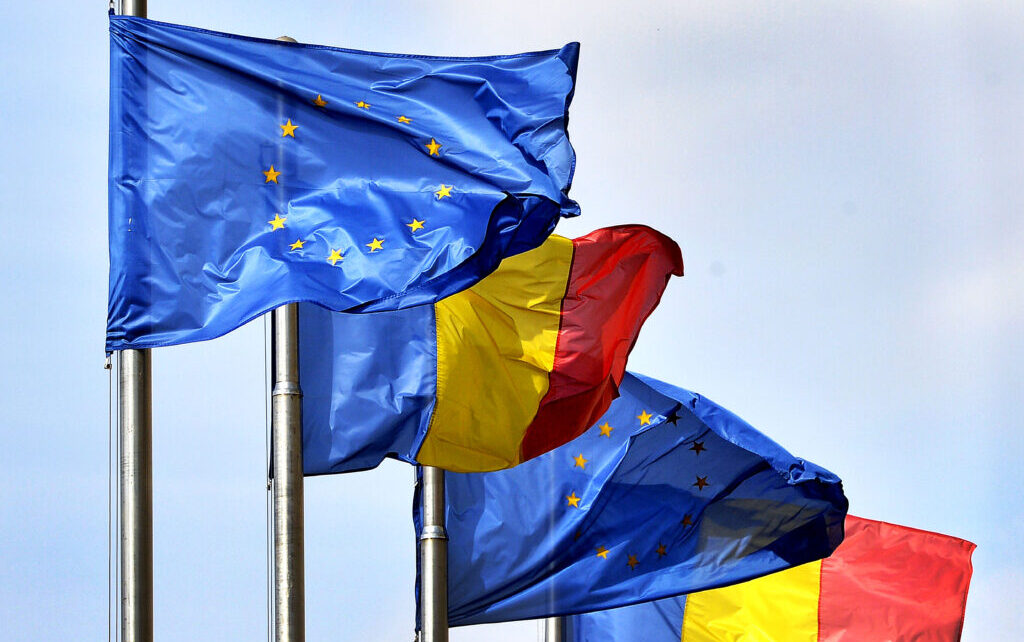
The Multiannual Financial Framework (MFF) for 2028-2034 stands as a strategic tool essential for realizing our shared objectives and the ambitious future vision of the EU. The Cohesion Friends group comprises Bulgaria, Czech Republic, Croatia, Estonia, Greece, Italy, Lithuania, Latvia, Malta, Poland, Portugal, Romania, Slovenia, Slovakia, and Spain.
According to a press release issued Monday evening by the Ministry of Foreign Affairs, a more competitive, prosperous, powerful, and secure Europe demands adequate funding that aligns with our political ambitions and adapts to the new geopolitical realities.
“The upcoming MFF must continue to provide sufficient resources for traditional policies defined by Treaty obligations, such as the Cohesion Policy, the Common Agricultural Policy (CAP), and the Common Fisheries Policy (CFP), which play a crucial role in promoting convergence, economic growth, and food security. Simultaneously, the next MFF should support the EU’s strategic autonomy, enhance competitiveness, facilitate climate and digital transitions, strengthen security and defense, boost productivity and innovation, and lay a solid foundation for a fully integrated single market. It must also address emerging challenges like security risks, global trade disruptions, energy transition and security, and migration, reflecting the geopolitical landscape. Therefore, the MFF volume proposed by the Commission serves as the basis for discussions on effectively meeting the Union’s financial needs,” the statement reads.
The Ministry of Foreign Affairs further notes that under the Commission’s proposal, the Cohesion Policy, CAP, and CFP are the only policies facing real-term cuts despite the overall increase in the new MFF’s volume. These policies significantly contribute to the EU’s key objectives, and their Treaty-based goals remain fully relevant. The Cohesion Policy and CAP are the most visible EU policies for its citizens.
Foreign Ministry Calls for Increased Member State Allocations
The Ministry of Foreign Affairs is advocating for increased allocations for member states under Chapter 1 for traditional policies.
“Programming these allocations, especially at the beginning of the programming period and during the mid-term evaluation, should remain entirely under the member states’ responsibility. The proposed coordination mechanism should not affect the member states’ programming prerogatives. While shared management instruments can rely on the proposed framework, recommendations should not automatically translate into obligations, as this would contradict the principle of shared management and local approach,” the press release states.
Proposed 10% Crisis Reserve Should Be Reduced
MAE officials argue that realistic and favorable implementation conditions are essential for ensuring the efficient use of EU funds within shared management, supporting long-term investments and high-quality expenditures.
“This requires maintaining the N+3 rule for disengagements for commitment and payment appropriations, along with adequate pre-financing and EU co-financing rates for CAP and CFP measures, Cohesion Policy, including investments from the Cohesion Fund and Internal Affairs funds. At the same time, the Cohesion Policy should not be turned into a systematic crisis instrument, replacing other EU tools for this purpose: the proposed 10% crisis reserve should be reduced; reprogramming ongoing Plan measures should remain a voluntary option for the member state, ensuring access to the crisis reserve and the EU Facility. Additionally, the Cohesion Policy should be equipped with adequate funding for all region categories,” the statement asserts.
To boost participation, specific measures should be introduced to enhance access for less experienced entities to competitive calls, with a special focus on SMEs.
“We support the orientation of Chapter 2 towards competitiveness objectives. Regarding the European Competitiveness Fund (ECF), we recognize the centrality of the excellence principle and the need to fully explore it across the EU. Therefore, ensuring efficient and inclusive access to bolster overall competitiveness across the EU is necessary. To increase participation and promote capacity building EU-wide, specific measures should be introduced to improve access for less experienced entities to competitive calls, with particular emphasis on SMEs, the backbone of the EU economy. Additionally, more favorable implementation conditions, such as an 85% EU co-financing rate for member states with a GNI per capita below the EU-27 average, should be ensured for the Connecting Europe Facility, considering its contribution to strengthening the Single Market and promoting EU resilience,” according to the cited document.
Genuine, Fair, Simple, and Non-Regressive Resources
The Cohesion Friends are open, as per the MAE, to discussing proposals for new own resources that would effectively reduce pressure on member states’ budgets. These discussions must be linked to overall MFF negotiations. Any new own resources should be genuine, fair, simple, and non-regressive.
The communication further mentions: “Eliminating reductions related to the GNI-based own resource is a necessity—there is no political or economic justification for reintroducing them on the revenue side of the EU budget. The added value of the Single Market and the EU as a whole, along with the spillover effects of the EU budget, should not be overlooked. A more gradual repayment scheme for Next Generation EU and new joint borrowings to support lending (such as Catalyst Europe) should be considered as options for funding investments and key European public goods essential for long-term strategic autonomy, ensuring the MFF can effectively address the Union’s continuously evolving challenges and priorities.”
The Cohesion Friends are ready to contribute constructively towards achieving a balanced compromise that benefits the entire European Union. The common goal is to secure a modern budget that addresses the specific needs of member states and regions.
Împotriva articolelor redacției noastre, persoanele nemulțumite pot formula Contestație în termen de 10 zile de la publicarea articolului, la judecătoria Orășenească nr. 1 München Bayern Deutschland, in conformitate cu Legea federală Germană. Considerăm că nu se pot formula acțiuni la instanțele din România deoarece nici o persoană care activează în trustul nostru nu poate fi extrasă de sub jurisdicția federală germană. Considerăm că redacția noastră nu răspunde în fața autorităților din România ci doar celor federale sau civile germane. deoarece legea română nu are efecte de extraneitate asupra redacției chiar dacă subiectul știrilor face obiectul unor evenimente sau persoane din România și sunt scrise în limba română. Limba română nu este izvor de extraneitate a legii.